Background & Problem Statement
A scalable model for early detection of anemia, TB, and diabetes in rural Eastern Uttar Pradesh
Eastern Uttar Pradesh carries a high combined burden of anemia, TB, and diabetes, where late detection remains common due to distance from urban hospitals, affordability barriers, and variable diagnostic capacity at the periphery. NFHS-5 (2019–21) shows persistently high anemia prevalence, while the India TB Report flags continuing challenges around timely case detection and continuity of care. Diabetes and metabolic risks often remain undetected until complications arise. The result is avoidable morbidity, higher treatment costs, preventable productivity losses, and greater load on district/tertiary hospitals.
Our Approach / Intervention
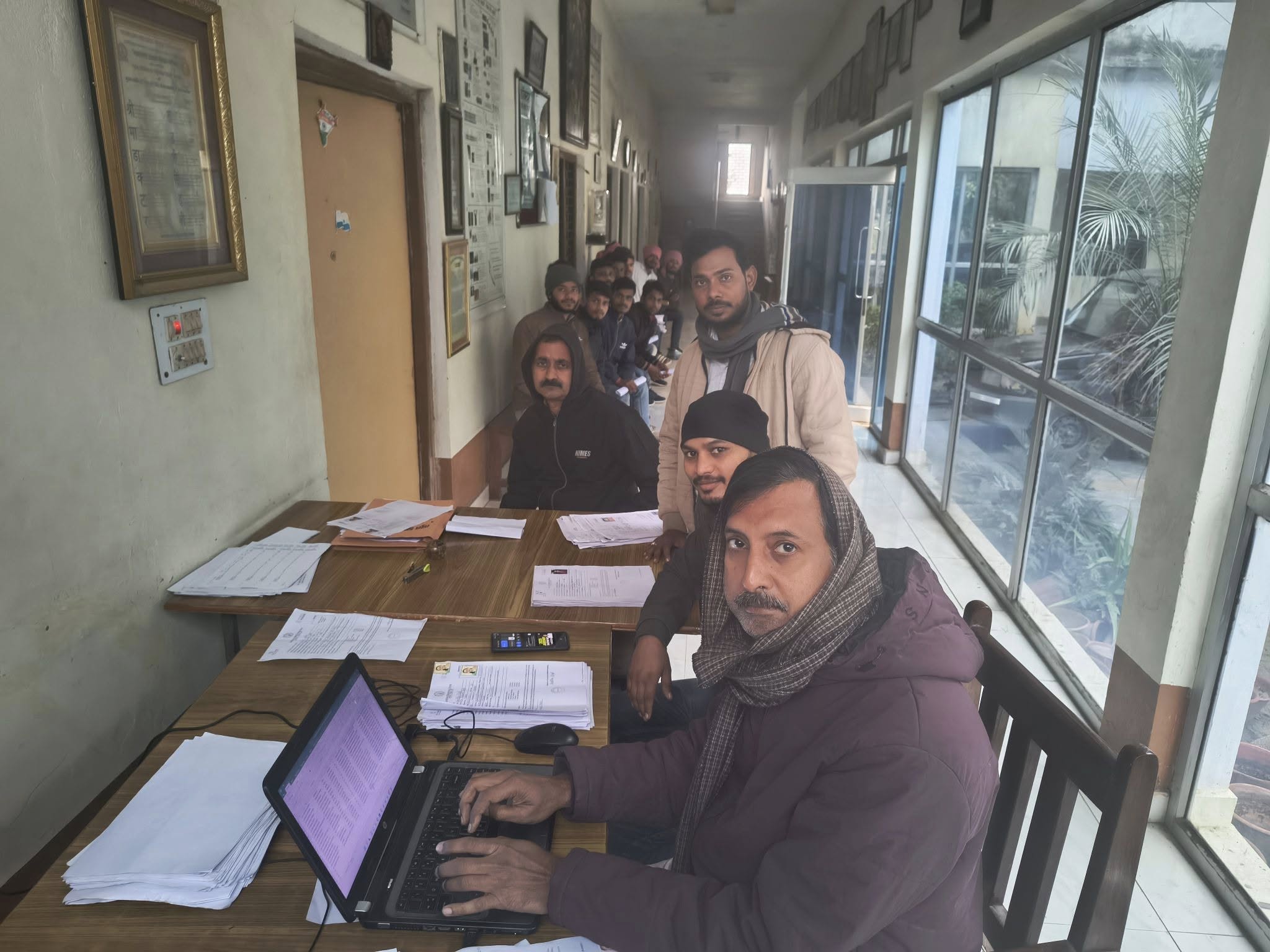
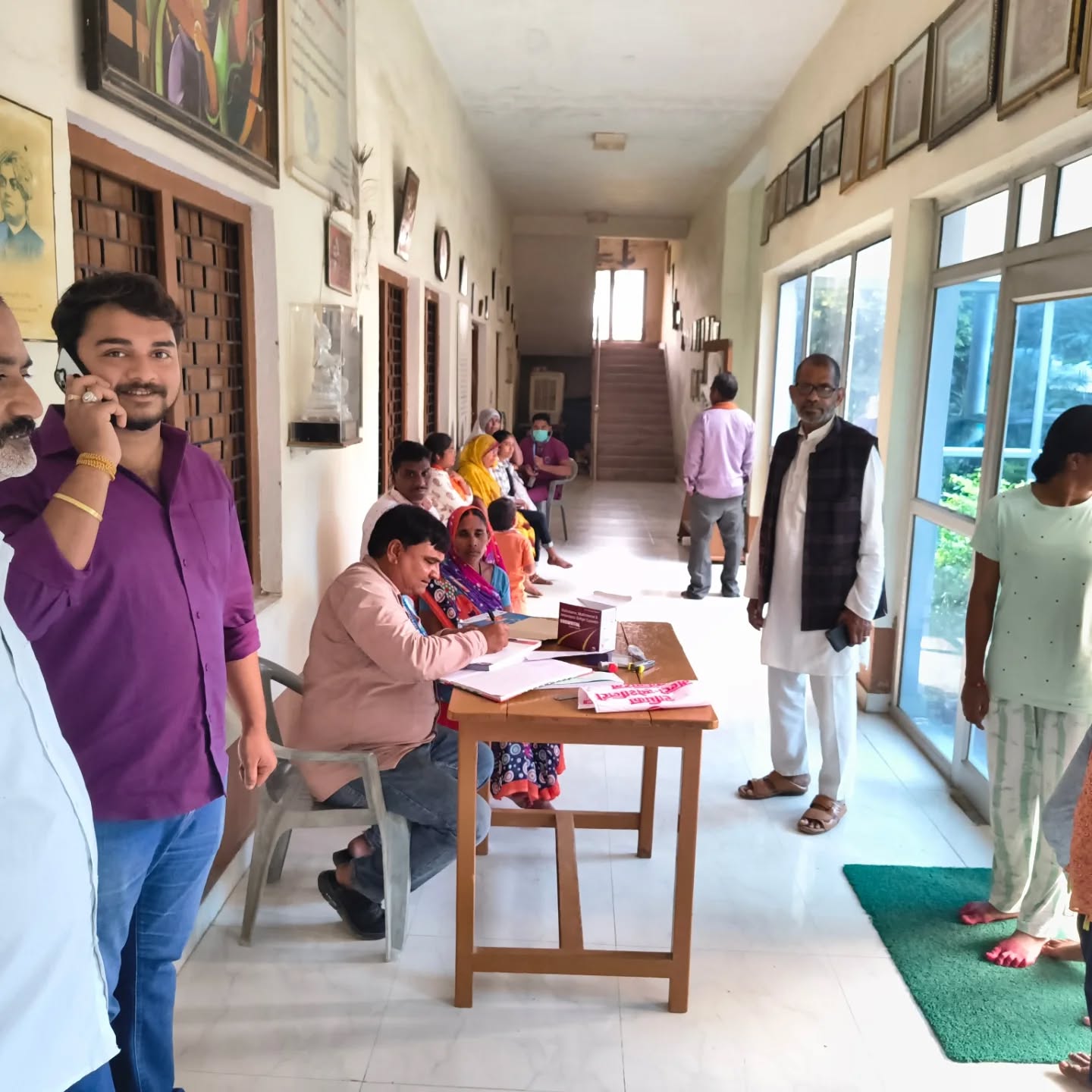
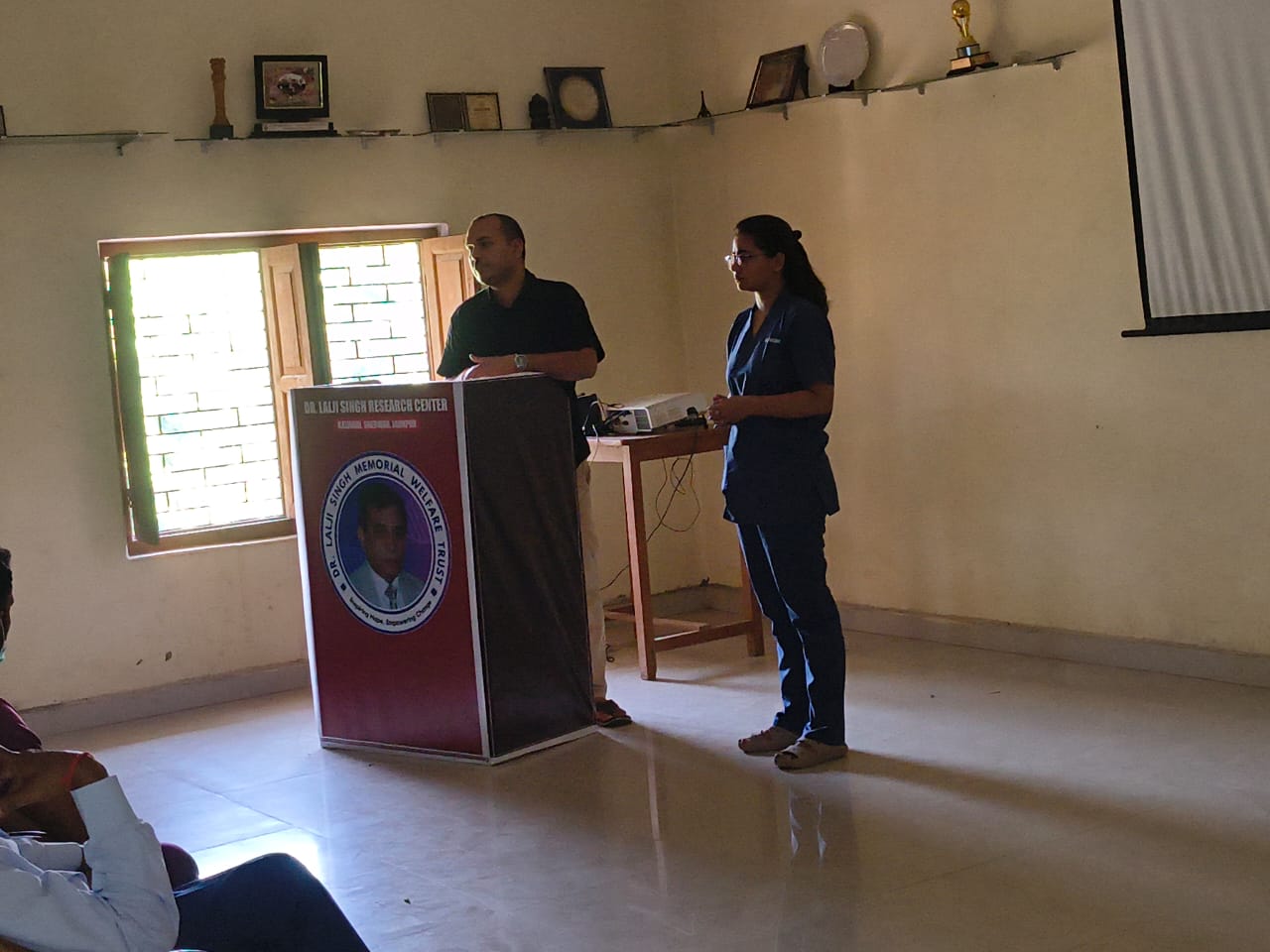
DLSRC runs a decentralised screening → confirmation → referral → follow-up pathway that complements public systems. We combine village-level screening camps and mobile services with mapped referral linkages to PHCs/CHCs, district hospitals, and partner institutions. A key strength is our diagnostic capability stack, enabling a continuum from basic screening to advanced confirmation when needed:
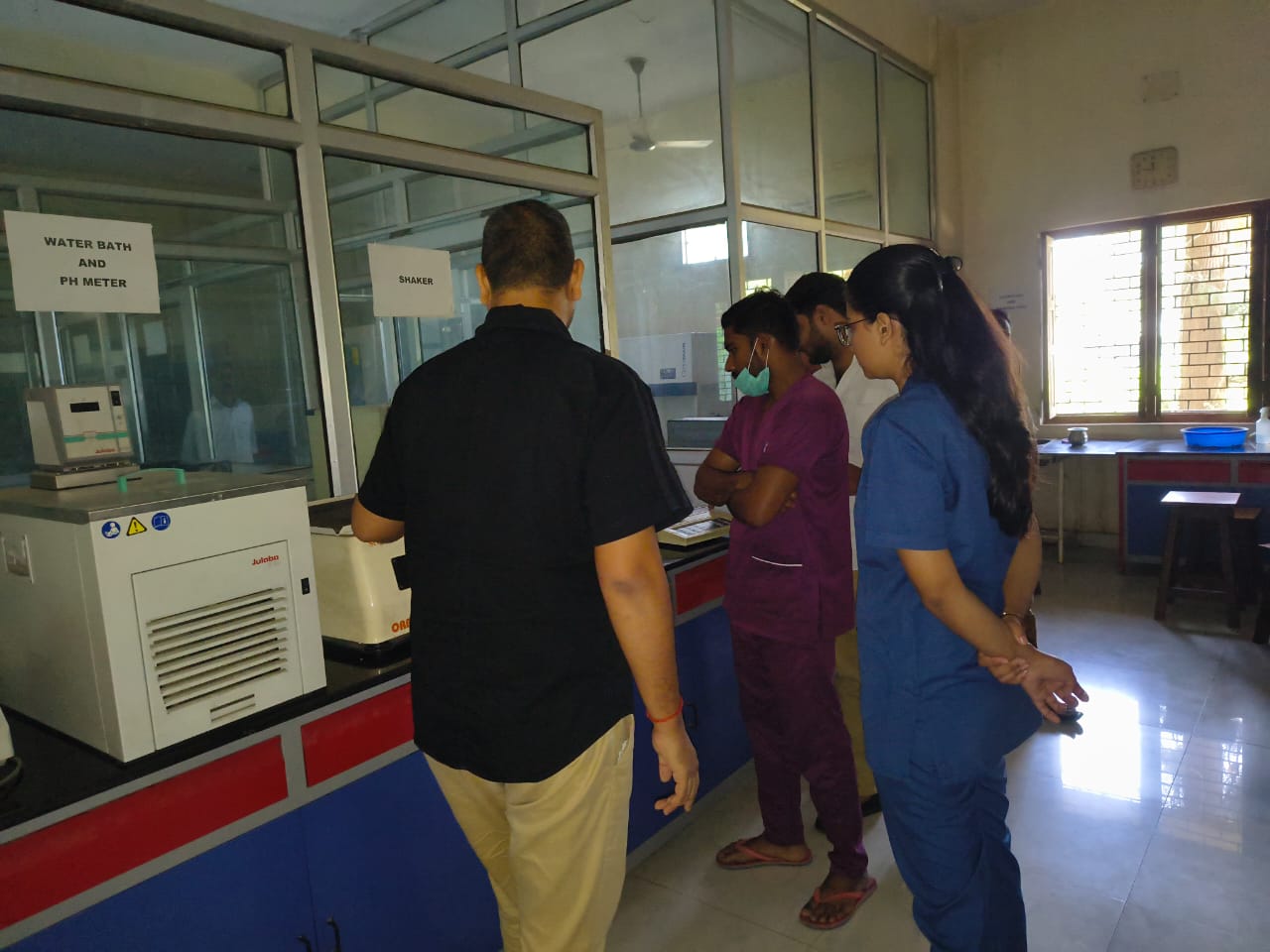
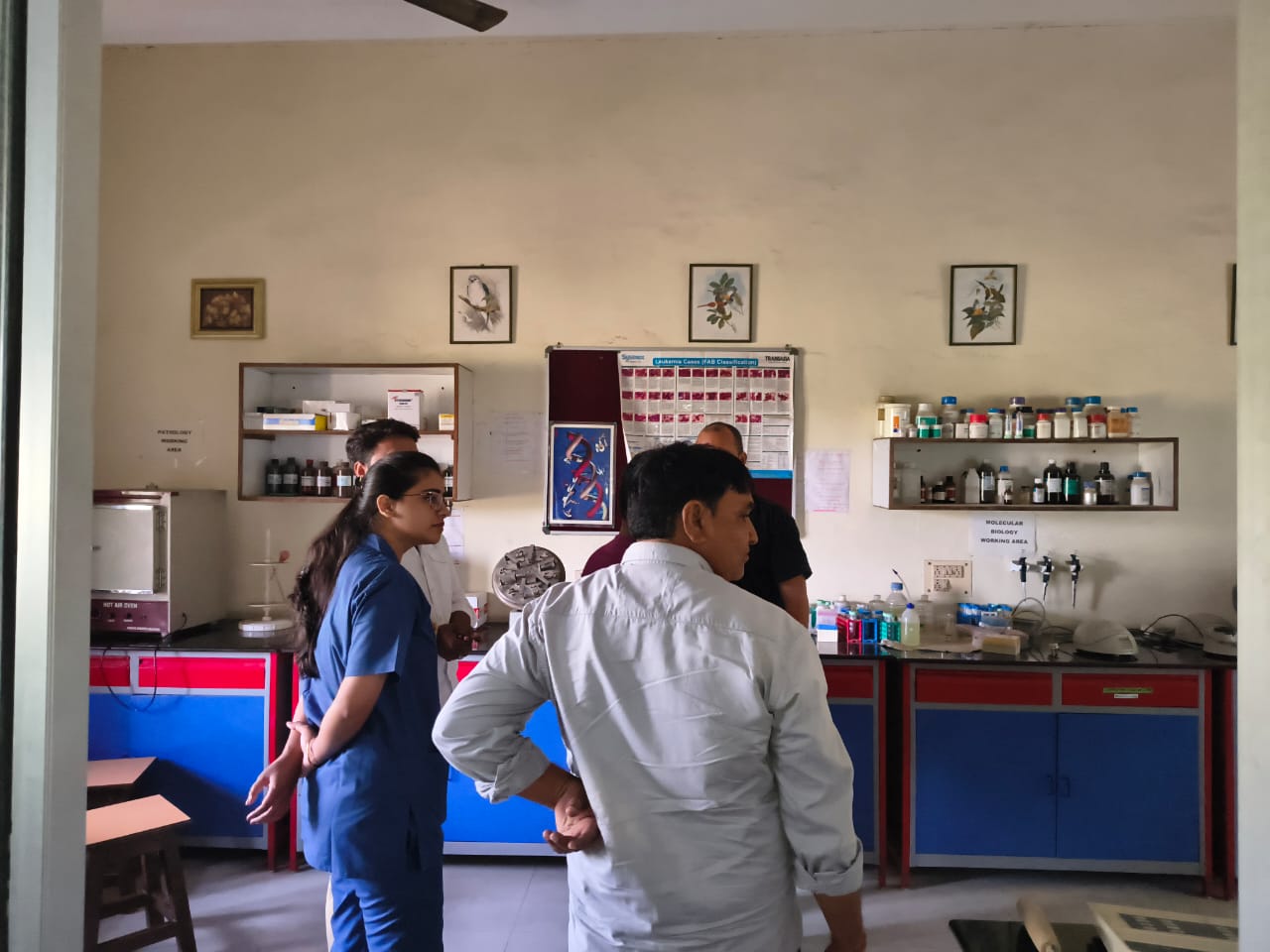
Biochemical tests (Hb, glucose, lipid profile), imaging (X-ray, ultrasound), immunoassays (ELISA), cytogenetics (karyotyping), and where clinically relevant RT-PCR, NGS-based pathogen sequencing, and targeted genetic panels. We standardise protocols, quality control, and training so early detection becomes routine—not episodic.
Expected Outcomes & Impact
Health
Earlier diagnosis, reduced complications, improved adherence and outcomes (TB/NCDs).
Economic
Fewer repeat visits and lower out-of-pocket costs; reduced wage loss due to local access.
System
Stronger referral completion, improved continuity of care, reduced avoidable tertiary overload.
(Comparative anchor: WHO/ICMR-aligned evidence supports that early detection reduces downstream costs; outreach-linked districts often show better follow-through in routine program settings.)
Impact Metrics
- Individuals screened (by condition/age/sex)
- % screened positive → % confirmed after referral
- Time from screening → diagnosis → treatment initiation
- Follow-up completion (30/60/90 days)
- Unit economics: cost per screened, cost per confirmed case (program perspective)
Monitoring & Evaluation
Dashboards track coverage, positivity, confirmation, referral completion, and follow-up. Quality is monitored via control checks, repeat-testing audits, and protocol adherence logs. Periodic reviews identify leakage points (e.g., referral drop-offs) and apply fixes (timing, transport linkage, counselling reinforcement)
Scalability
The model scales through a portable kit + standard protocol + referral map. Expansion is sequenced: Jaunpur → Eastern UP → UP → Northern India, prioritising high-burden blocks and low-diagnostic-access corridors. Replication requires predictable components: trained field teams, local partner facilities, and QA SOPs.
Support the Next Generation of Genomic Science
Join us in honoring Dr. Lalji Singh’s vision. We recommend state health departments, CSR partners, and ICMR/NHM programs to jointly invest in diagnostic hubs and mobile vans for rural districts, with DLSRC providing a pilot-proven model.