Background & Problem Statement
Climate change and biodiversity loss increasingly shape disease patterns—through heat stress, water quality, vector ecology, and zoonotic risk. Rural communities in Eastern UP are particularly vulnerable due to livelihood dependence on agriculture and uneven health infrastructure. The One Health framework (recognised across global health and food systems institutions such as WHO/FAO/WOAH) emphasises that human, animal, and ecosystem health are interdependent. Yet responses are often siloed, weakening prevention and preparedness.
Our Approach / Intervention
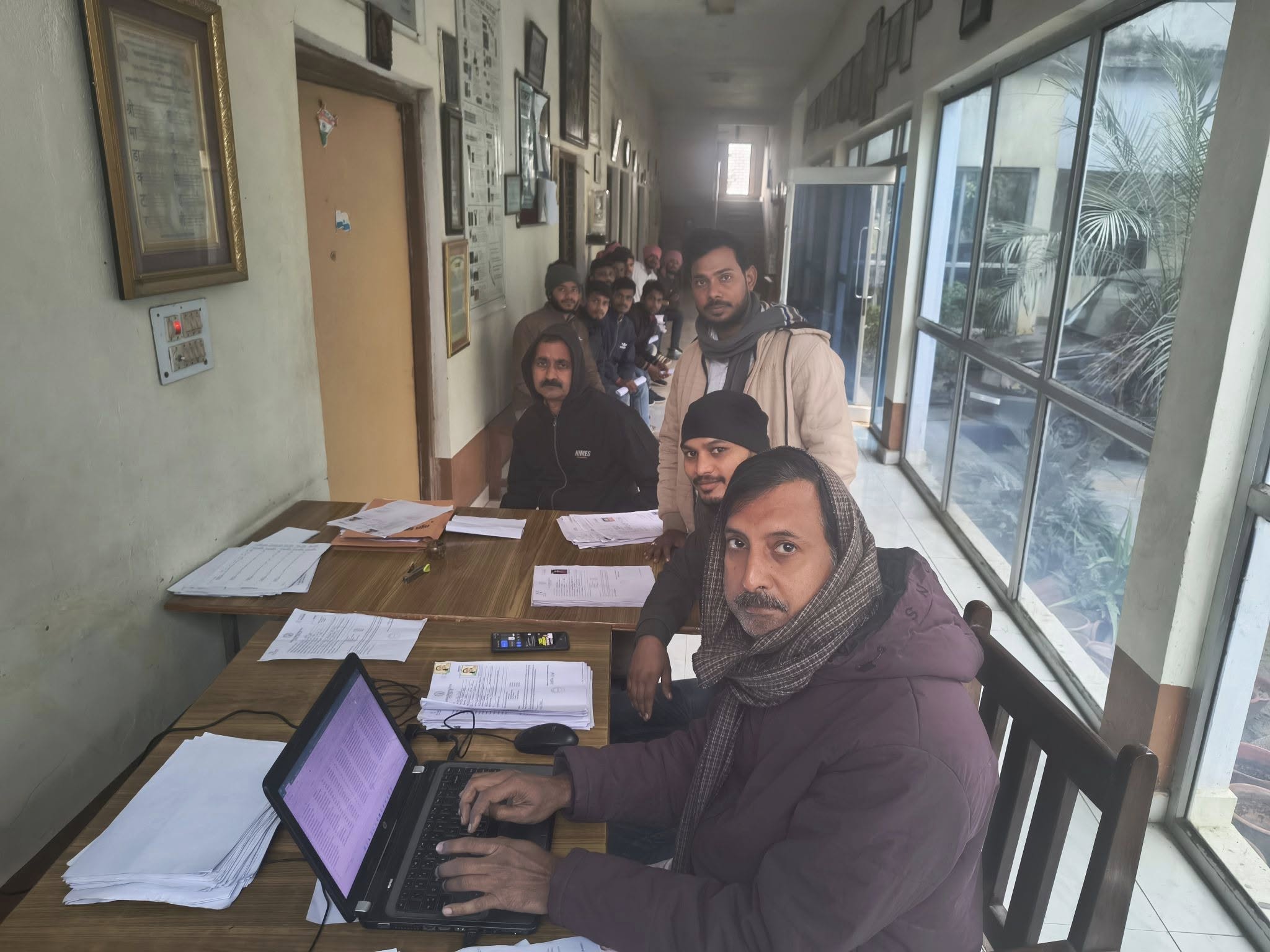
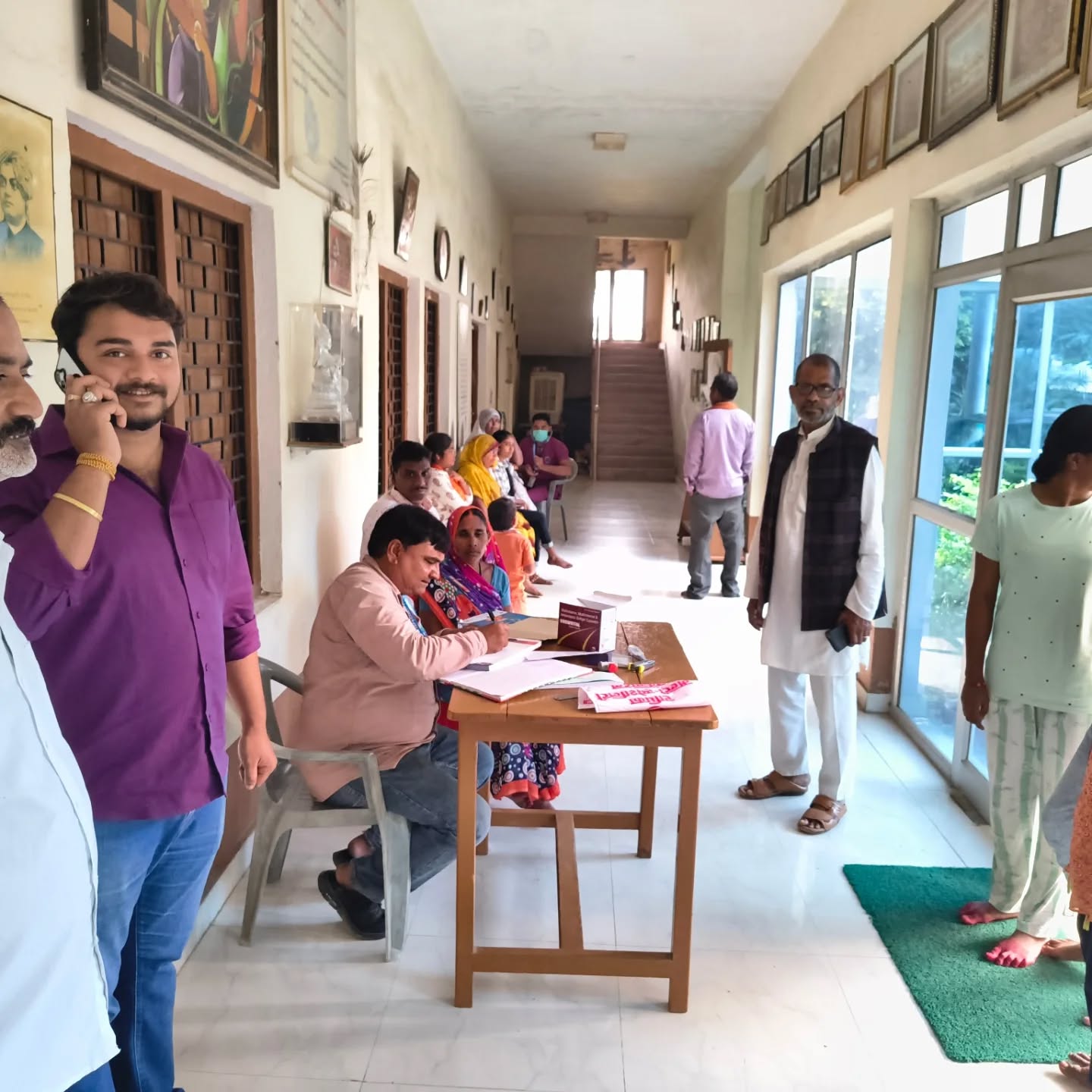
DLSRC implements a One Health program model that is practical, evidence-oriented, and community-facing:
- Monitoring: DNA-informed biodiversity analysis at selected rural sites (where feasible).
- Surveillance: Climate-health signals (vector mapping, rainfall patterns, heat-risk windows)
- Community: Awareness drives, school eco-clubs, seasonal prevention campaigns
- Policy interface: Quarterly briefs translating local insights into actionable recommendations for health/environment stakeholders
This structure links scientific capability with local action, without overpromising “big systems”.
Expected Outcomes & Impact
- Baseline datasets on biodiversity–disease linkages relevant to Eastern UP
- Early warning and seasonal preparedness for climate-sensitive health risks
- Increased community awareness and preventive behaviours
- Cross-sector collaboration (schools + local stakeholders) guided by shared evidence
(Example emerging insights from field contexts: seasonal peaks in fever cases often track vector density; villages with degraded ecosystems can show higher vulnerability to diarrhoeal disease—useful for targeted prevention.)
Impact Metrics
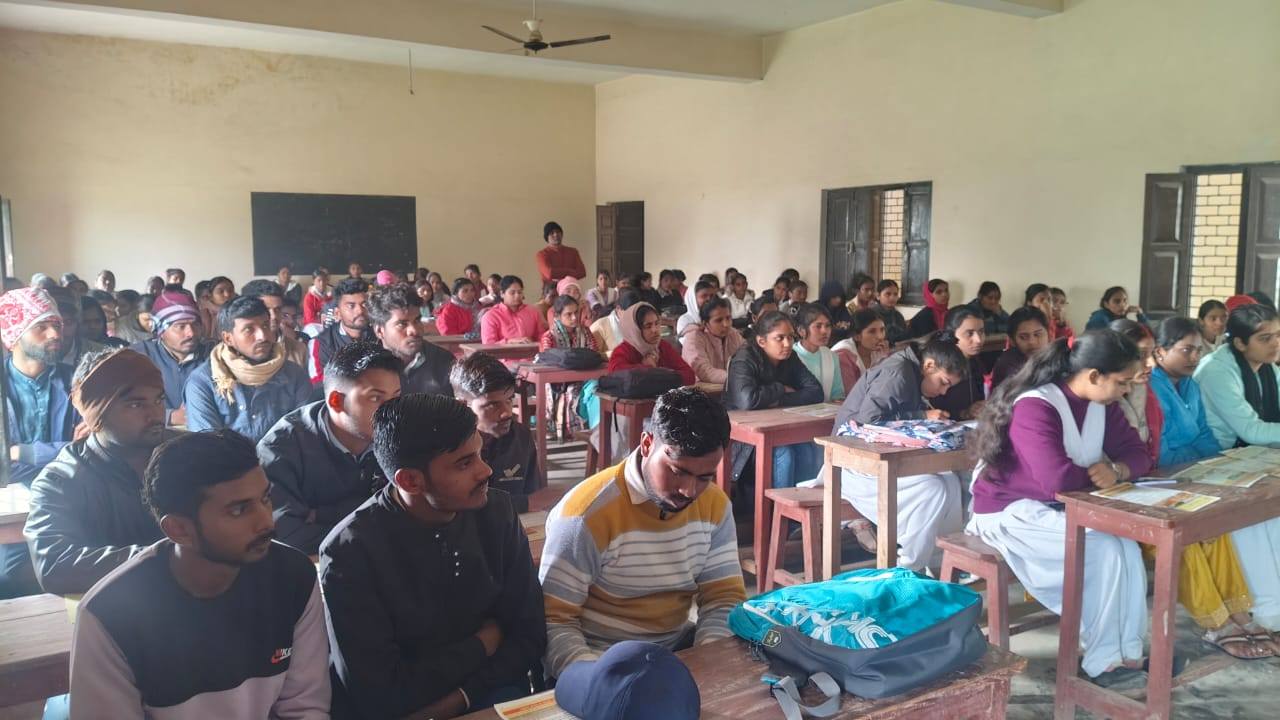
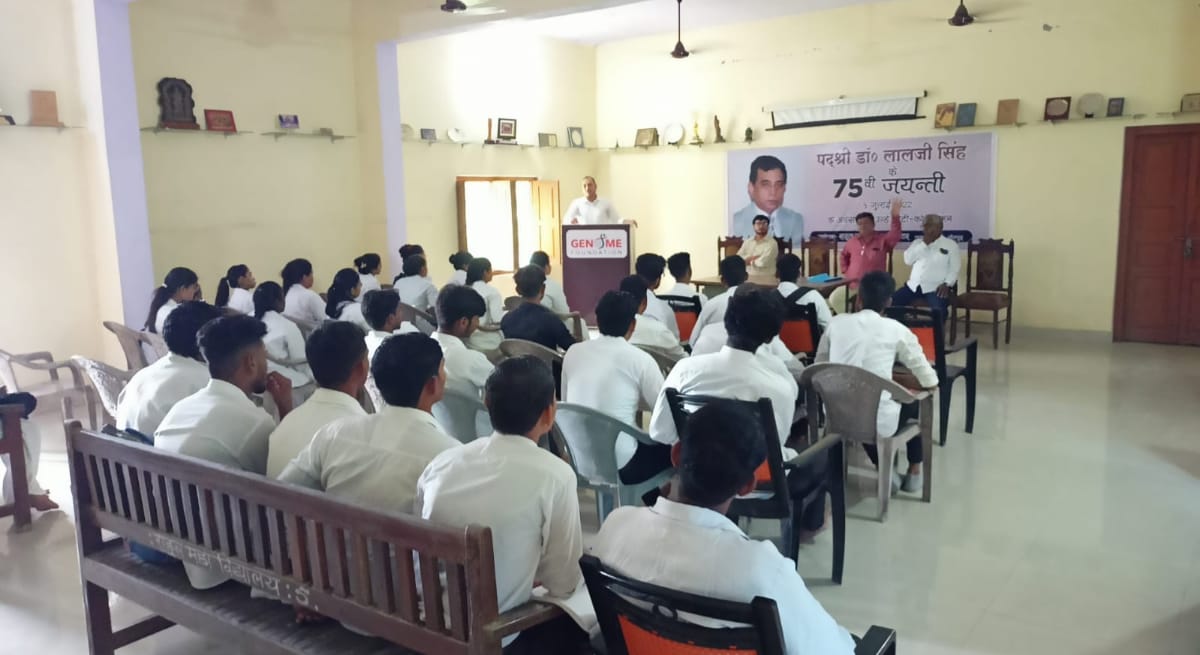
- Eco-clubs formed; student participation; sessions delivered
- Community sessions and seasonal campaigns executed
- Local risk maps/briefs produced (heat, water, vector awareness)
- Partner engagement count (health/vet/environment stakeholders)
- Household adoption indicators (safe water, vector prevention—survey)
Monitoring & Evaluation
M&E prioritises participation, behavioural indicators, and season-wise risk mapping updates. Learning is captured through community feedback, event logs, and periodic surveys. Annual reviews refine modules to local risk patterns.
Scalability
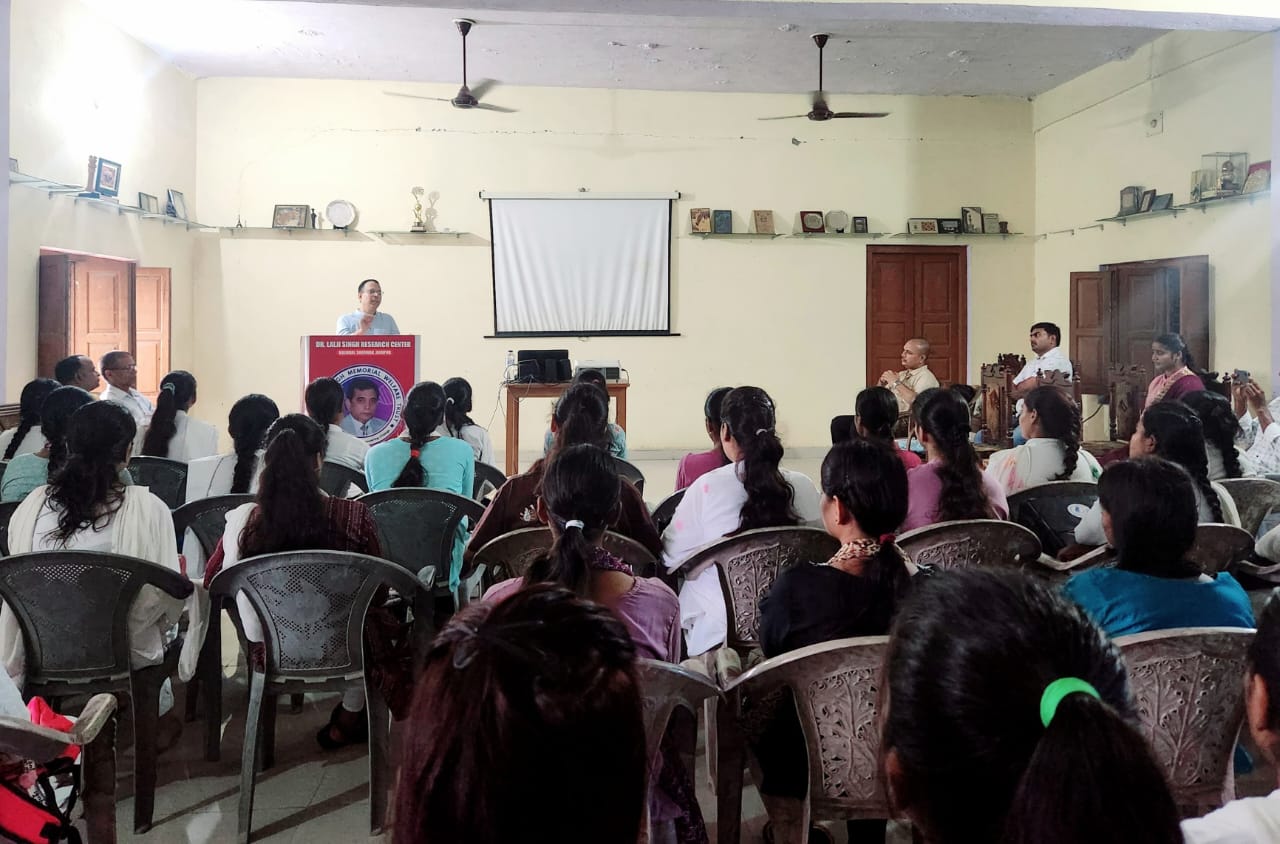
One Health scales efficiently through school networks and local partnerships. Expansion follows seasonal calendars (pre-monsoon/monsoon/post-monsoon) for predictable rollout across Eastern UP and Northern India. A standard module pack and facilitator training preserves fidelity at scale.
Support the Next Generation of Genomic Science
Join us in honoring Dr. Lalji Singh’s vision. We recommend state health departments, CSR partners, and ICMR/NHM programs to jointly invest in diagnostic hubs and mobile vans for rural districts, with DLSRC providing a pilot-proven model.