Background & Problem Statement
Rural students often experience science as theory-only, with limited access to experiments, instruments, or mentorship—weakening scientific temper and pathways into STEM careers. Education evidence (e.g., ASER learning trends) repeatedly highlights foundational learning gaps, while NEP 2020 emphasises experiential, inquiry-based learning. The issue is not curiosity; it is the missing ecosystem—labs, demonstrations, role models, and structured hands-on practice.
Our Approach / Intervention
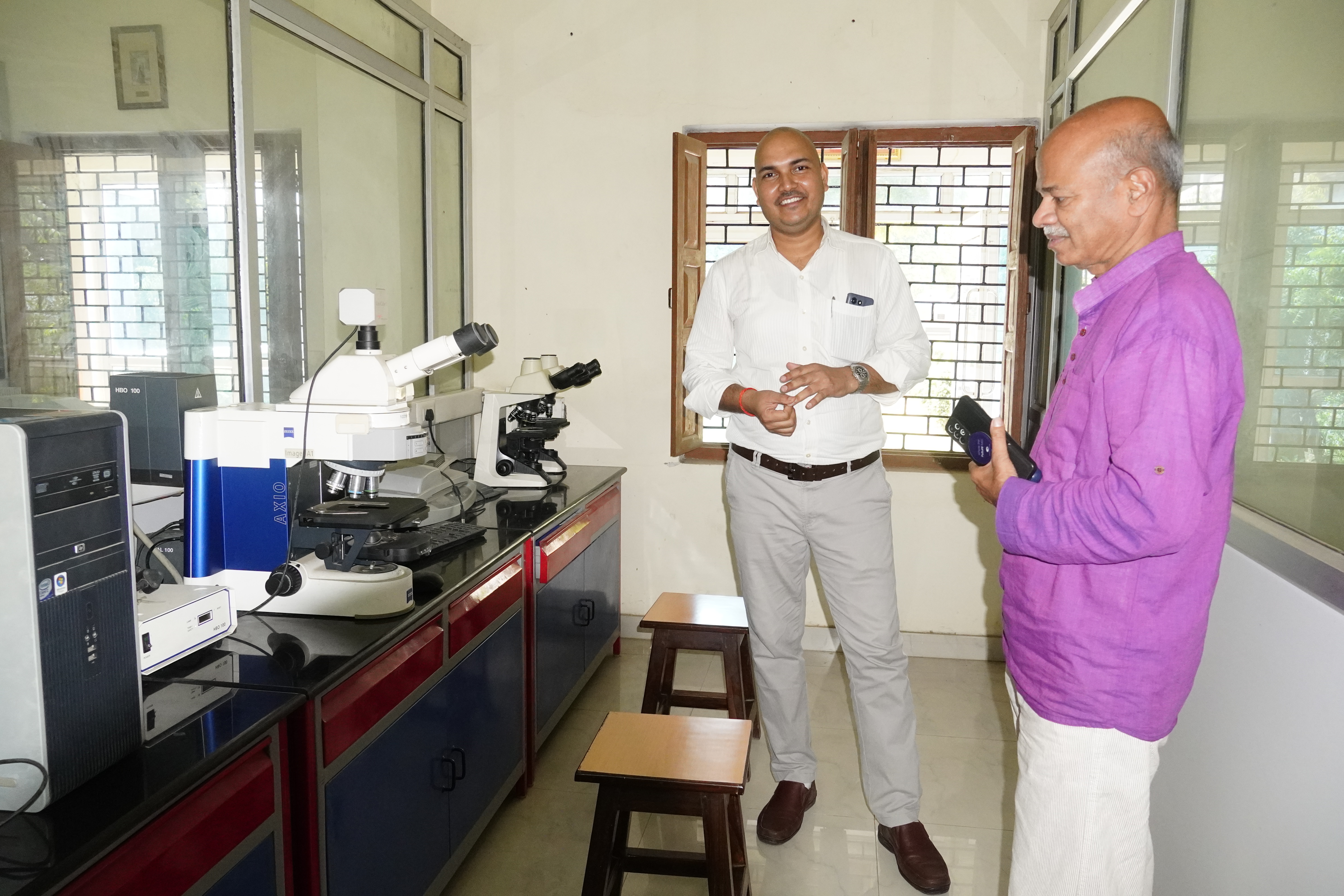
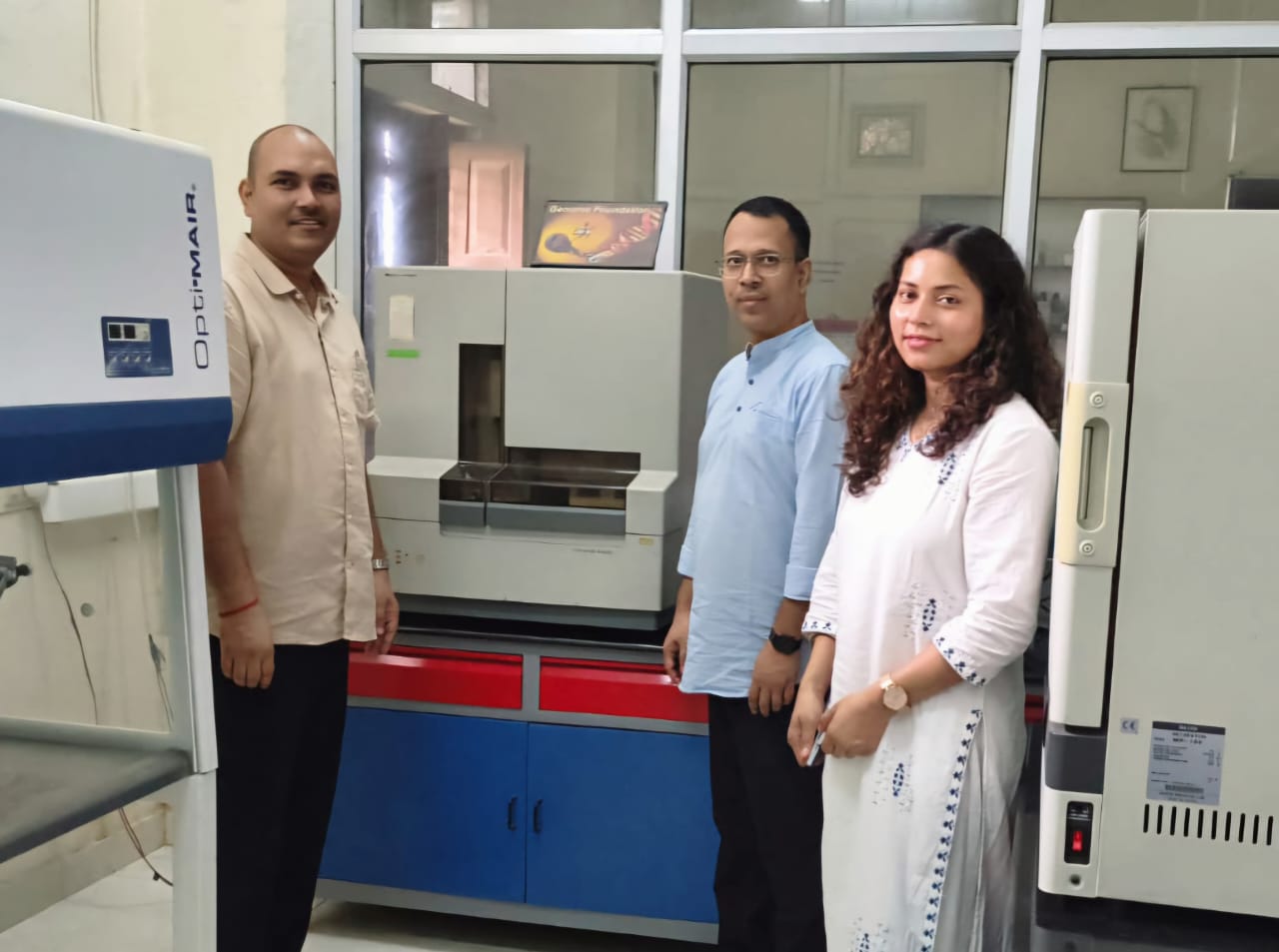
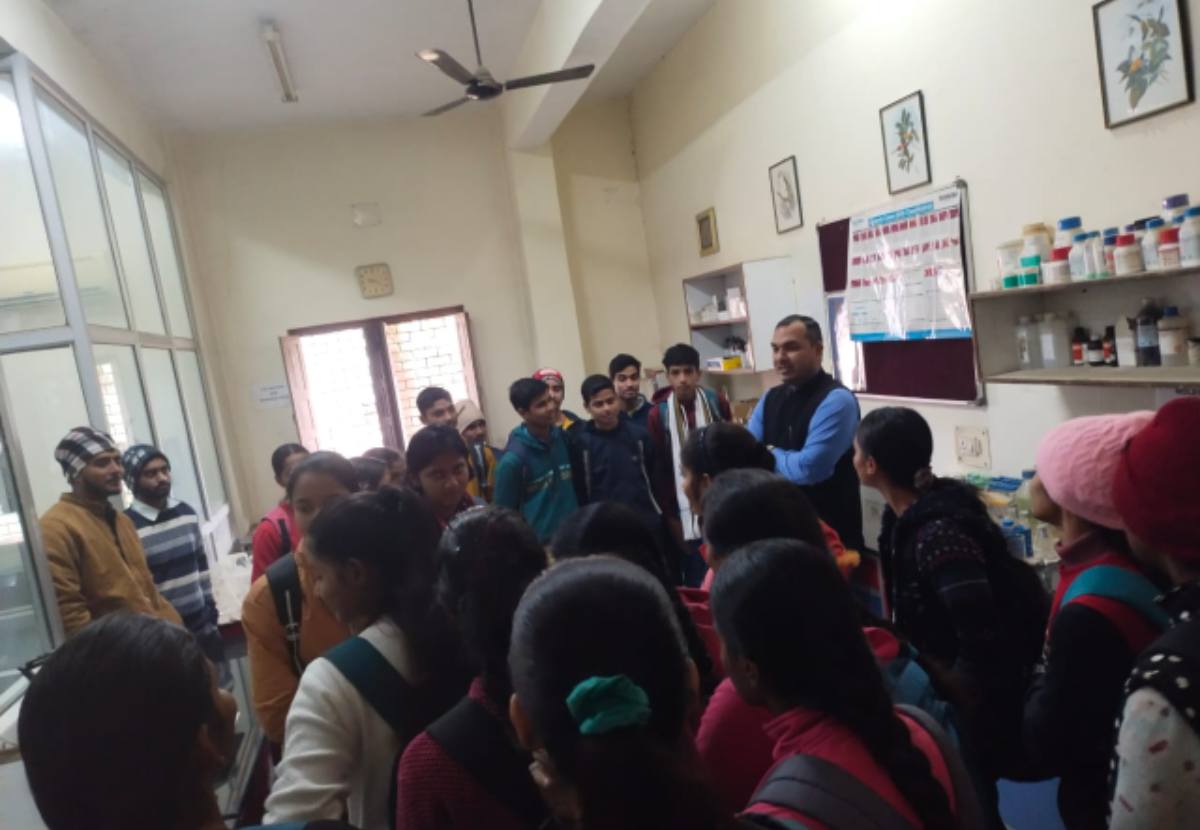
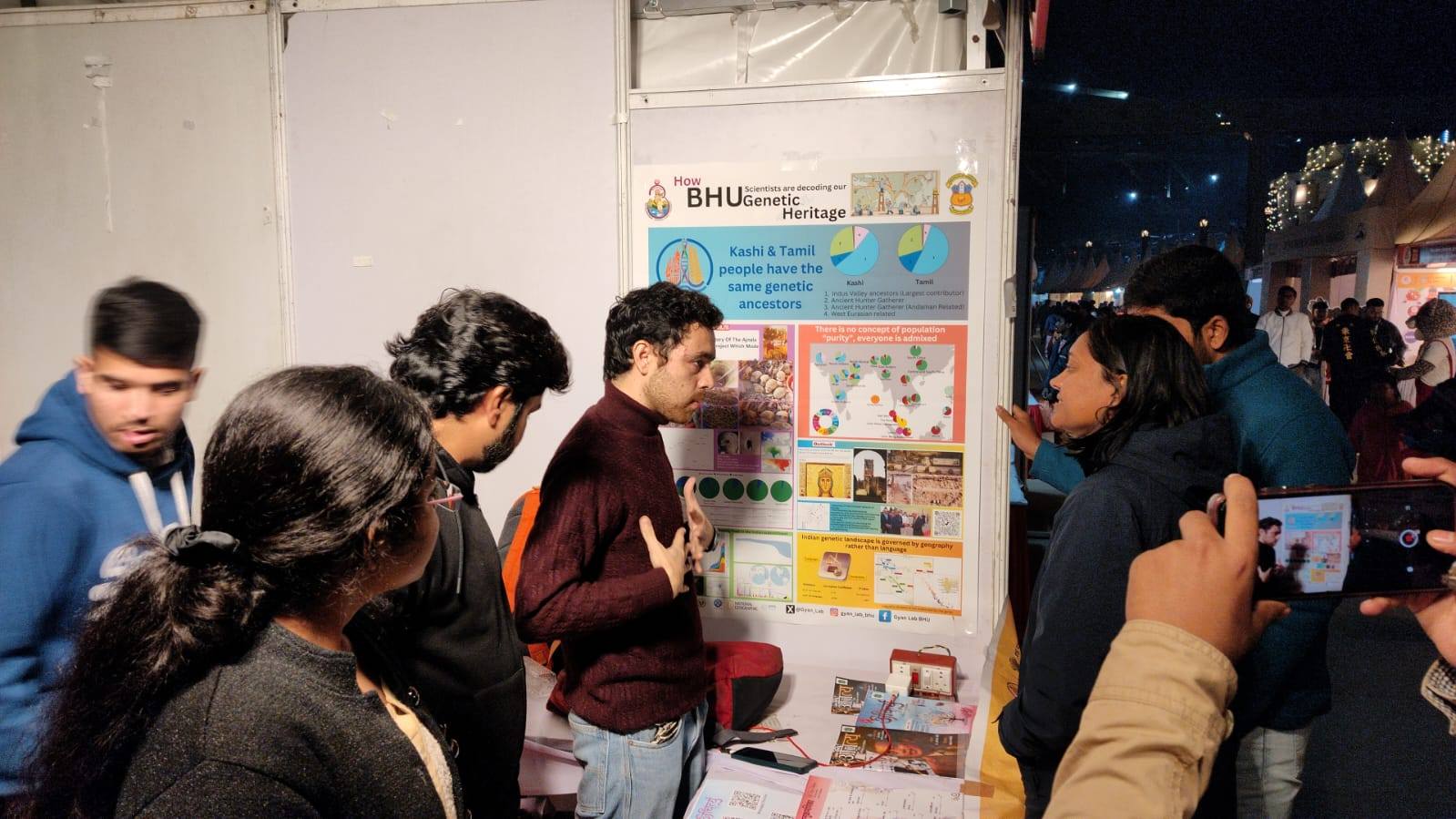
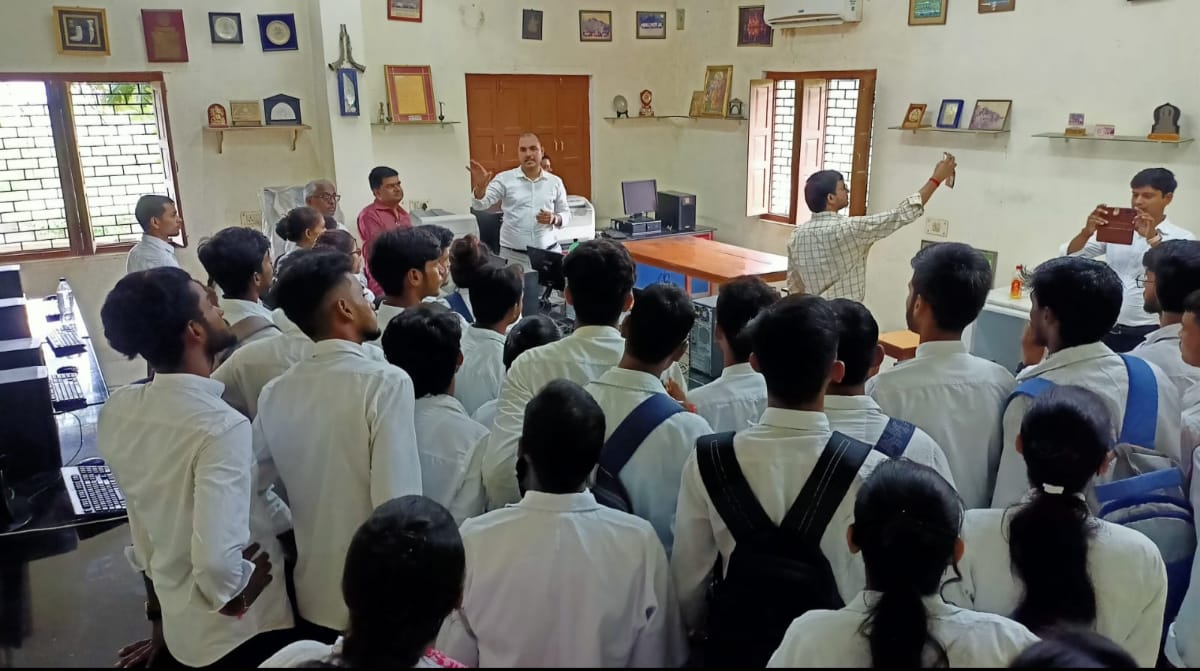
DLSRC delivers STEM Lab-in-a-Box + mentorship: microscope modules, safe hands-on experiments, DNA extraction demonstrations, and structured inquiry sessions aligned to school curriculum. Teacher workshops strengthen lab pedagogy and safety, enabling continuation beyond one-time events. Student exposure is deepened through campus visits, talks, and guided mini-projects tied to real-world themes (health, environment, forensics).
Expected Outcomes & Impact
Learning
Improved conceptual clarity and scientific reasoning.
Equity
Rural access to lab exposure similar to urban schools.
Pipeline
More students choosing science streams, internships, diagnostics/biotech careers.
Impact Metrics
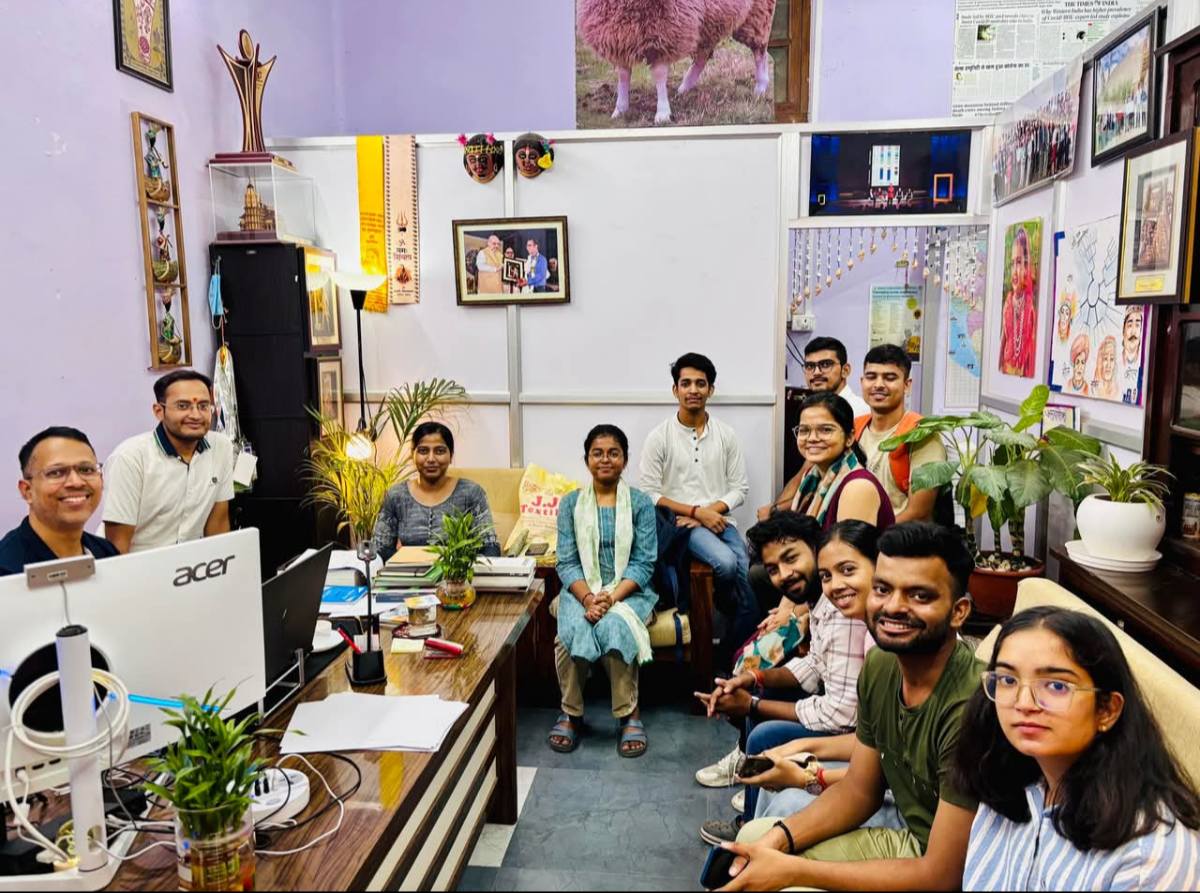
- Students reached; repeat participation rate
- Teachers trained; adoption of lab lesson plans
- Pre/post concept checks (short quizzes)
- Science clubs/eco-clubs initiated; attendance indicators
- Progression markers: science stream enrolment, internship uptake
Monitoring & Evaluation
M&E combines light learning assessments, attendance/retention tracking, teacher feedback loops, and annual case studies of high-performing schools. Evidence is stored as activity logs and a simple learning dashboard.
Scalability
Scales via train-the-trainer: district teacher champions and student mentors. Modular kits and standard sessions support expansion across Eastern UP and Northern India without diluting quality.
Support the Next Generation of Genomic Science
Join us in honoring Dr. Lalji Singh’s vision. We recommend state health departments, CSR partners, and ICMR/NHM programs to jointly invest in diagnostic hubs and mobile vans for rural districts, with DLSRC providing a pilot-proven model.