Background & Problem Statement
Women and children face a disproportionate burden of anemia, undernutrition, and missed preventive screening, shaping pregnancy outcomes, learning capacity, and lifetime health. NFHS-5 underlines persistent anemia and nutrition challenges. The gap is partly clinical but also behavioural: awareness, continuity, affordability, and the ability to complete referrals.
Our Approach / Intervention
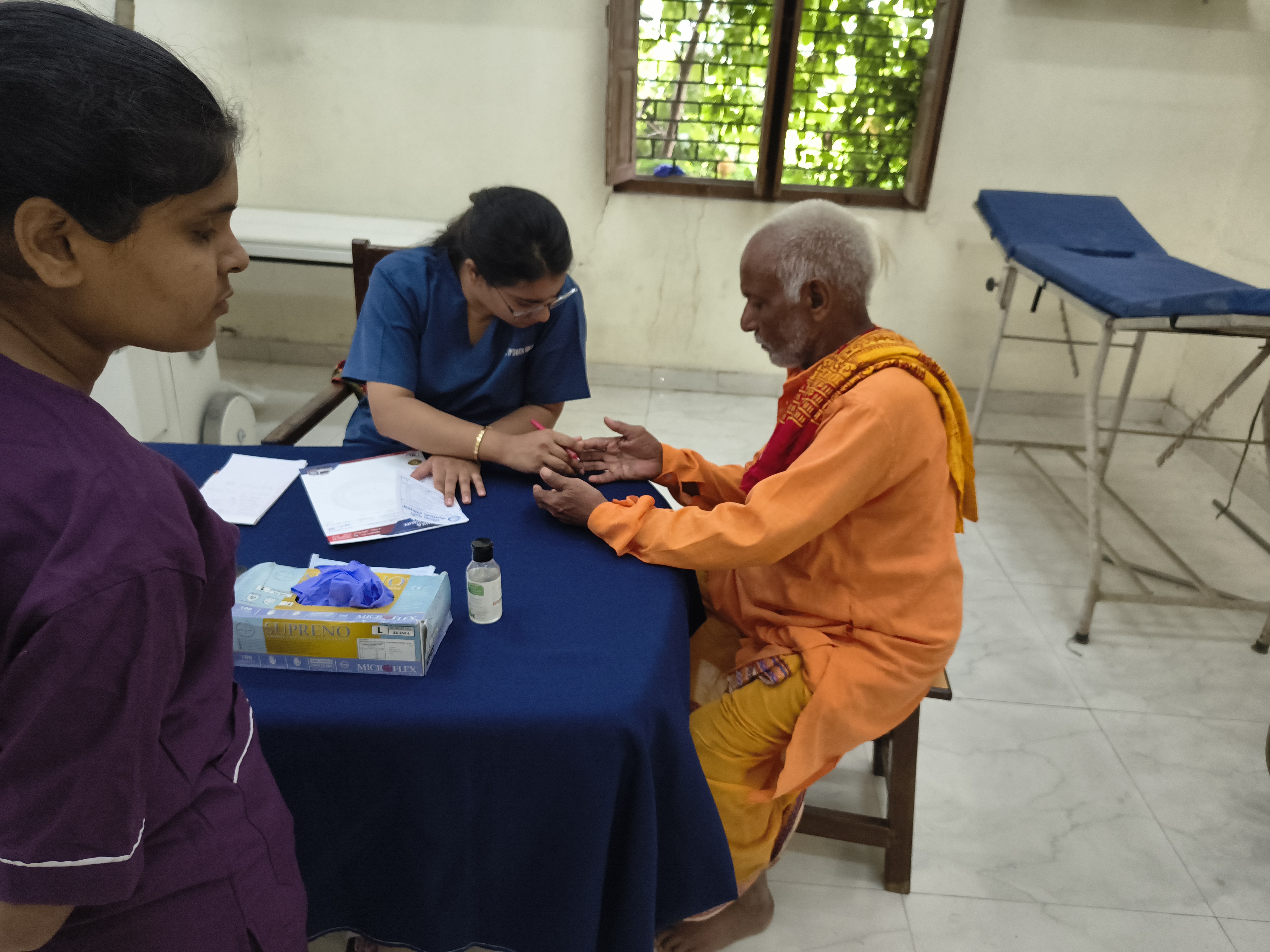
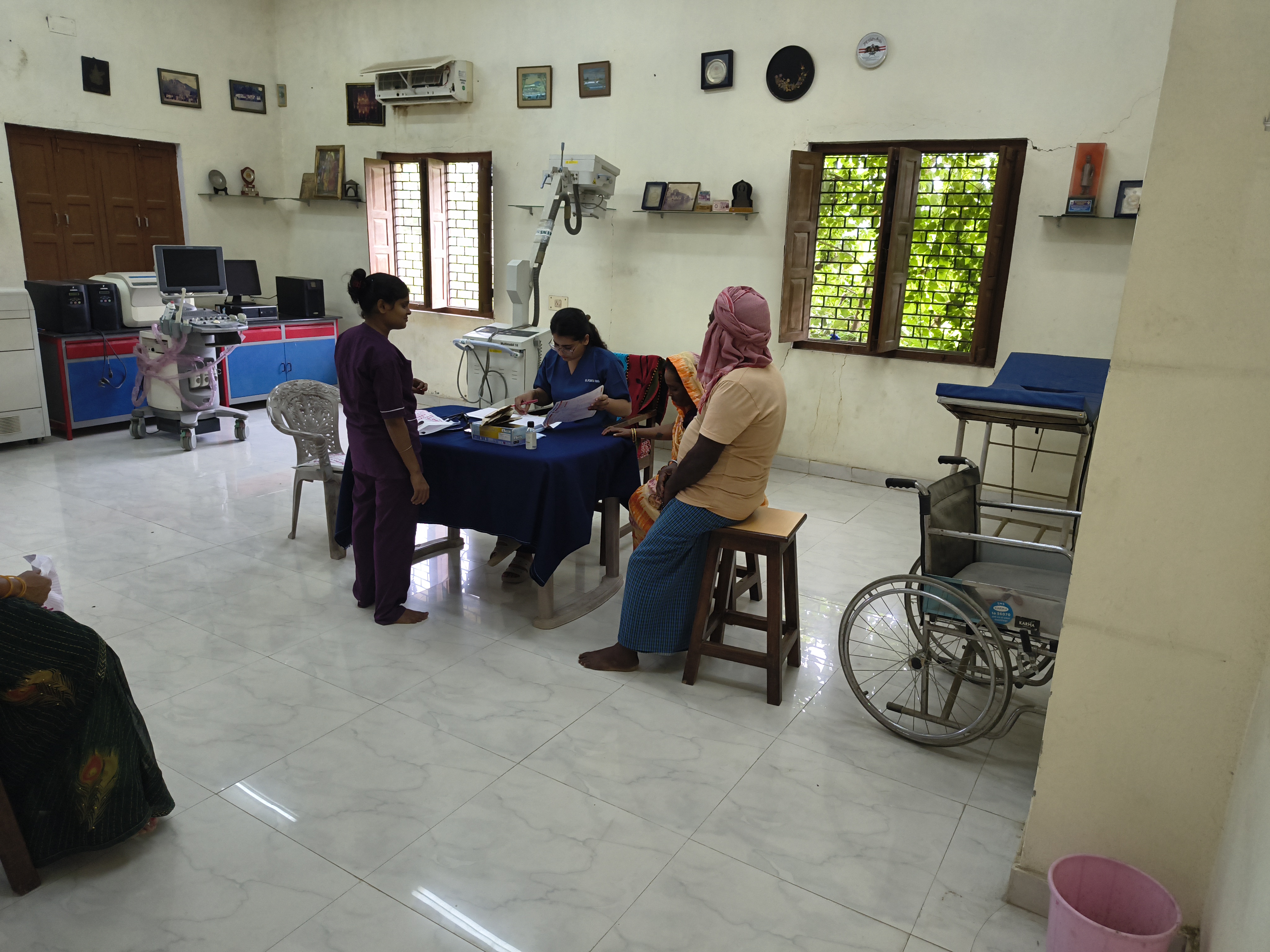
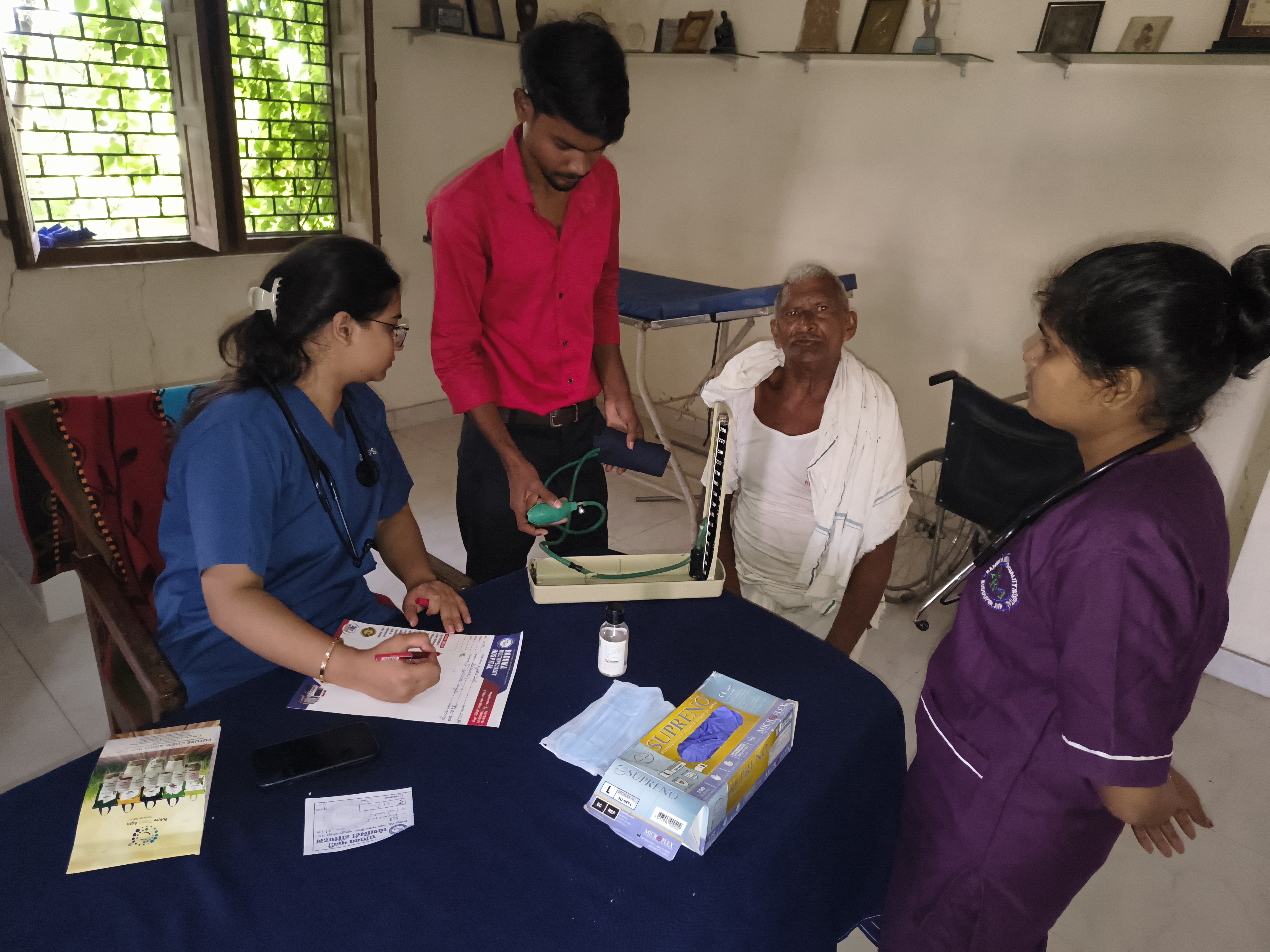
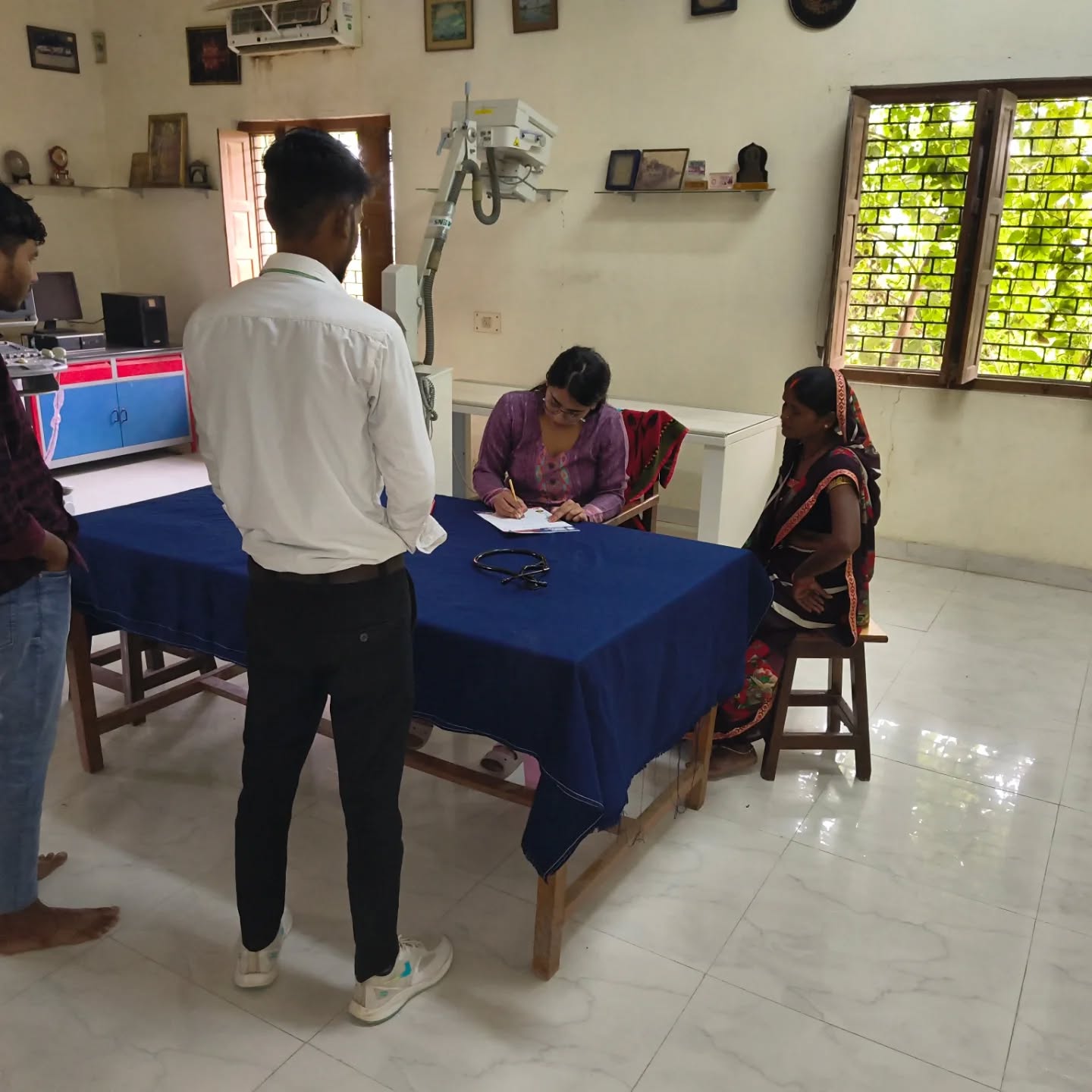
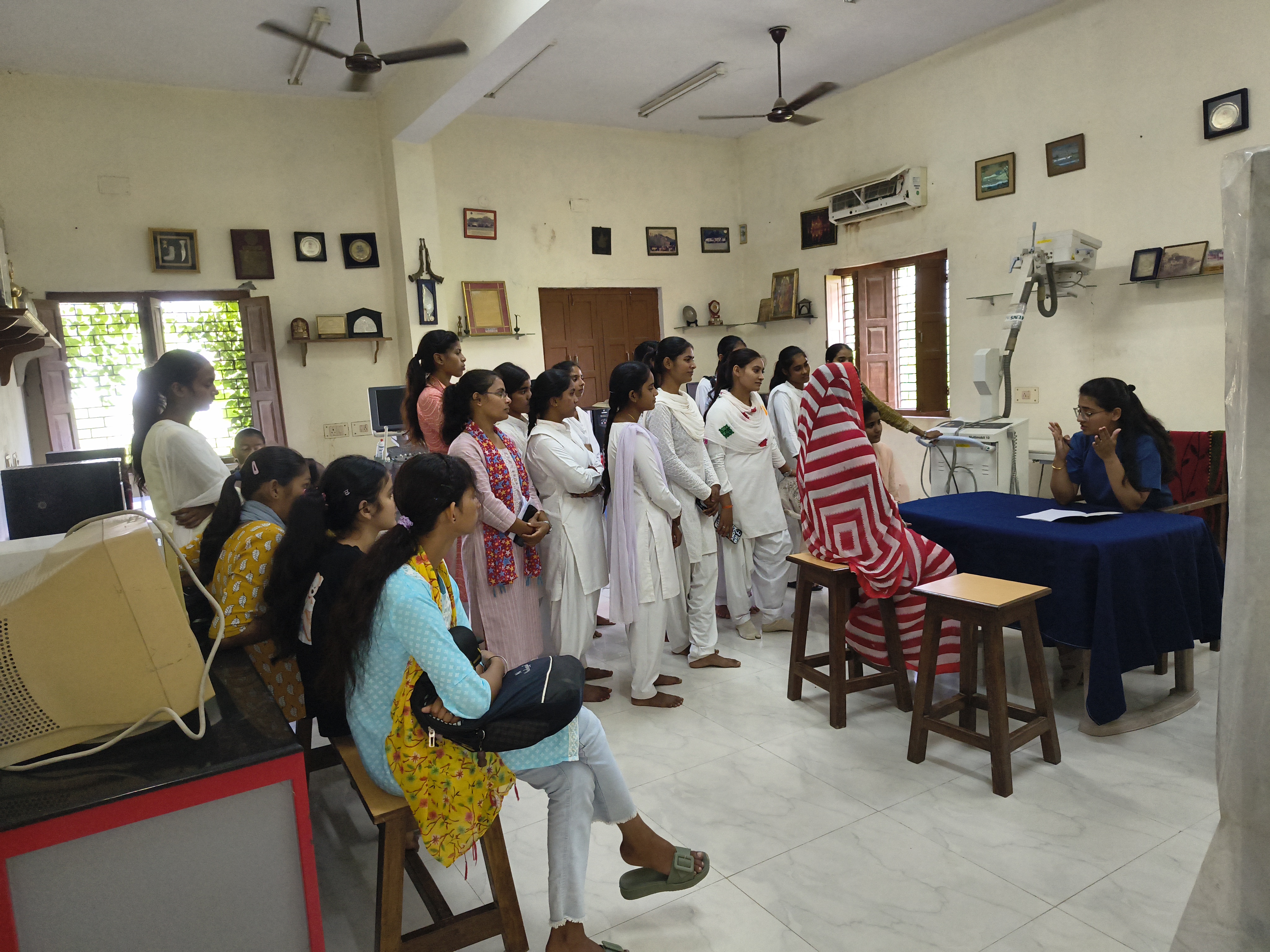
DLSRC conducts integrated screening + counselling + linkage camps prioritising mothers, adolescent girls, and early childhood windows. Screening is combined with nutrition counselling and referral pathways to local services. Repeat engagement and community facilitation help build trust, ensuring continuity rather than one-off detection.
Expected Outcomes & Impact
Health
Improved early identification of anemia and related risks; better maternal/child trajectories.
Behaviour
Increased care-seeking and adherence to supplementation/nutrition advice.
System
Stronger community-to-facility linkage through simplified referral and follow-up.
Impact Metrics
- Women/adolescents screened; anemia severity distribution
- Referral completion and follow-up adherence
- Counselling sessions delivered; repeat attendance rate
- School/Anganwadi engagement indicators
- Behaviour change signals (diet diversity, supplementation adherence—survey)
Monitoring & Evaluation
Quarterly reviews focus on follow-up completion and repeat engagement. Short surveys measure counselling effectiveness; referral chain audits identify and remove barriers.
Scalability
Scales through anchoring with schools, Anganwadis, and frontline networks, using standard camp protocols and counselling scripts. Expansion prioritises high anemia pockets and low screening areas.
Support the Next Generation of Genomic Science
Join us in honoring Dr. Lalji Singh’s vision. We recommend state health departments, CSR partners, and ICMR/NHM programs to jointly invest in diagnostic hubs and mobile vans for rural districts, with DLSRC providing a pilot-proven model.